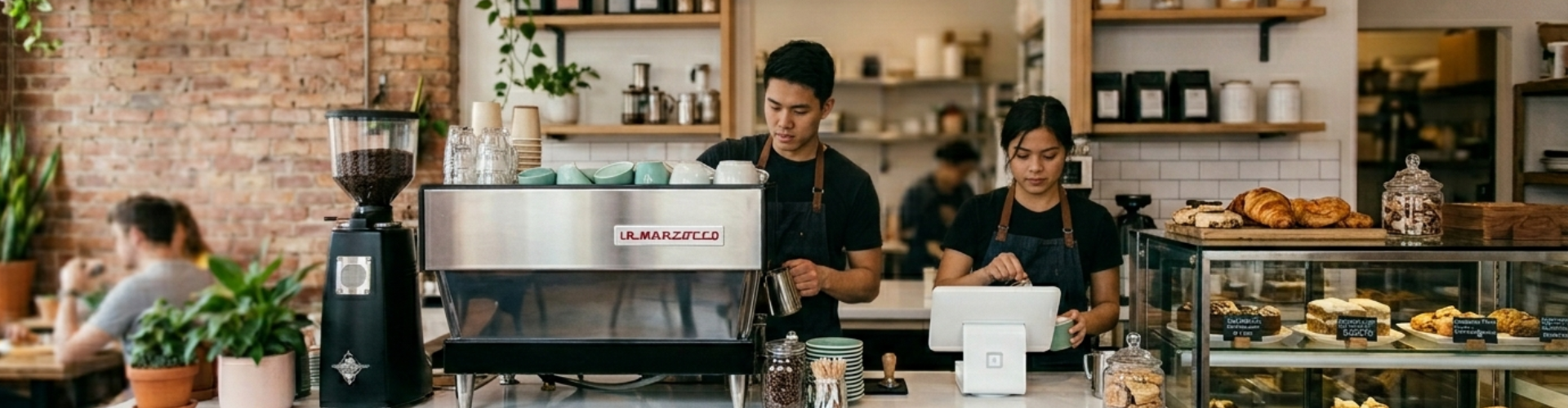
Set the service standard once, train every shift to it. Greeting, table touch, complaint recovery, expediting — the routines that make Singapore guests return.
Service standards work best when they are simple, observable, and coachable. The aim is consistency — across shifts, across staff, across outlets.
Objective: Set the service standard once, train every shift to it. The difference between a one-time customer and a regular is rarely the food — it is the consistency of the service moments around it.
Singapore F&B has a service expectation problem: guests have eaten in Tokyo, Bangkok, and Hong Kong. The bar is set by their last best meal, not your last good shift.
| Moment | Standard | Why it matters |
|---|---|---|
| Greeting | Within 30 seconds of arrival, eye contact + warm welcome | Sets the entire visit tone |
| Seating | Confirm reservation, walk at guest pace, place menus | Reduces early friction |
| Order taking | Active listening, confirm allergies, suggest 1 pairing | Drives spend + reduces errors |
| Table touch | One quality check within 2 minutes of food drop | Catches issues early |
| Complaint recovery | Acknowledge, apologise, action within 5 minutes | Saves the visit + the review |
| Farewell | Thank by name, invite back, hold the door if possible | Drives repeat visits |
| Shift type | Briefing focus | Time |
|---|---|---|
| Pre-service | Specials + 86 items + VIP bookings + service focus of the day | 5 minutes |
| Mid-shift huddle | What is working, what to fix in next service half | 2 minutes |
| Post-service debrief | One win + one fix for tomorrow | 3 minutes |