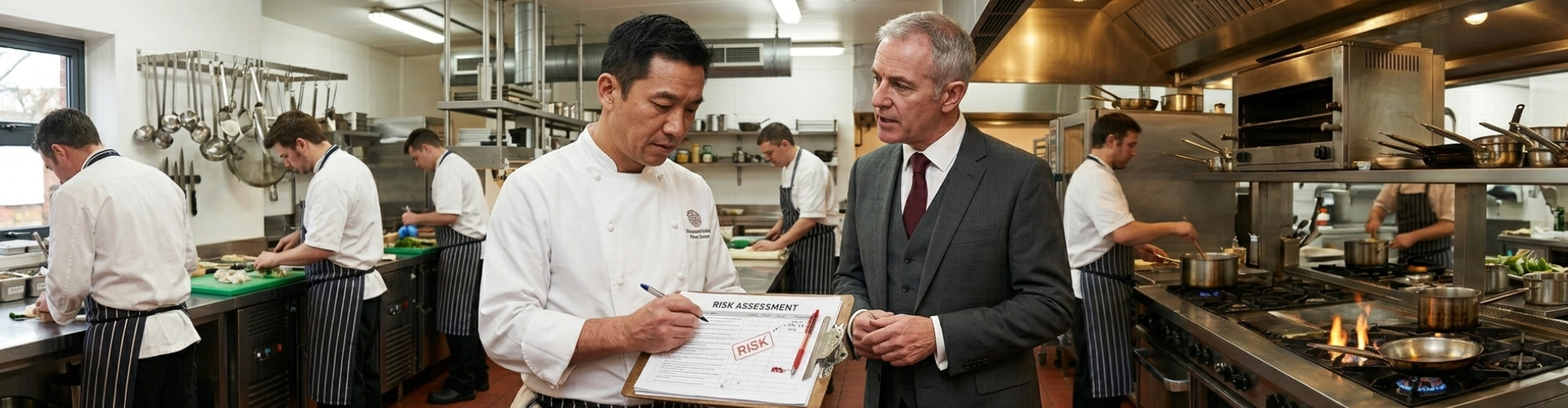
Be ready for the incident before it happens. Temperature logs, cleaning schedules, incident response runbook, allergen controls — all in one kit.
| File | What it’s for | When to use |
|---|---|---|
| Daily temperature log + corrective actions | Record temps and document what you did when it’s out of range | Every shift |
| Cleaning schedule + verification | Assign cleaning tasks and verify completion (with sign-off) | Daily/weekly |
| Incident response runbook | Step-by-step actions for food safety incidents (complaint, suspected poisoning, pest, equipment failure) | When something happens |
| Allergen control checklist + customer comms | Reduce allergen risk and respond professionally | Before service + when asked |
| Date | Station | Item | Reading (°C) | Pass/Fail | Corrective action taken | Initial |
|---|---|---|---|---|---|---|
| Chiller / Freezer / Hot holding | Pass / Fail |
Rule: If fail → act immediately → record the action. If you didn’t record it, it didn’t happen.
| Area | Task | Frequency | Assigned to | Done (date/initial) | Verifier |
|---|---|---|---|---|---|
| Daily / Weekly |
| Incident type | Immediate steps | Evidence to collect | Who to inform | Close-out step |
|---|---|---|---|---|
| Suspected food poisoning complaint |
|
Receipt/order, staff statements, photos, batch details | Manager/owner immediately | Corrective action + review within 24h |
| Pest sighting |
|
Photo + time/location log | Manager/owner | Vendor report + prevention actions |
| Chiller/freezer failure |
|
Temp readings + time window | Manager/owner | Discard/hold decision recorded |
| Control | Standard | Done |
|---|---|---|
| Menu allergen list available | Staff can answer or escalate immediately | |
| Separate utensils / prep area | Prevent cross-contact | |
| Kitchen call-out procedure | "Allergen order" flagged + confirmed |